Columbus ADU Guide Clarifies Rules, but Sewer Question Remains
Columbus now permits ADUs by right and offers project guidance, while an independent study says separate sewer connections may still raise development costs.
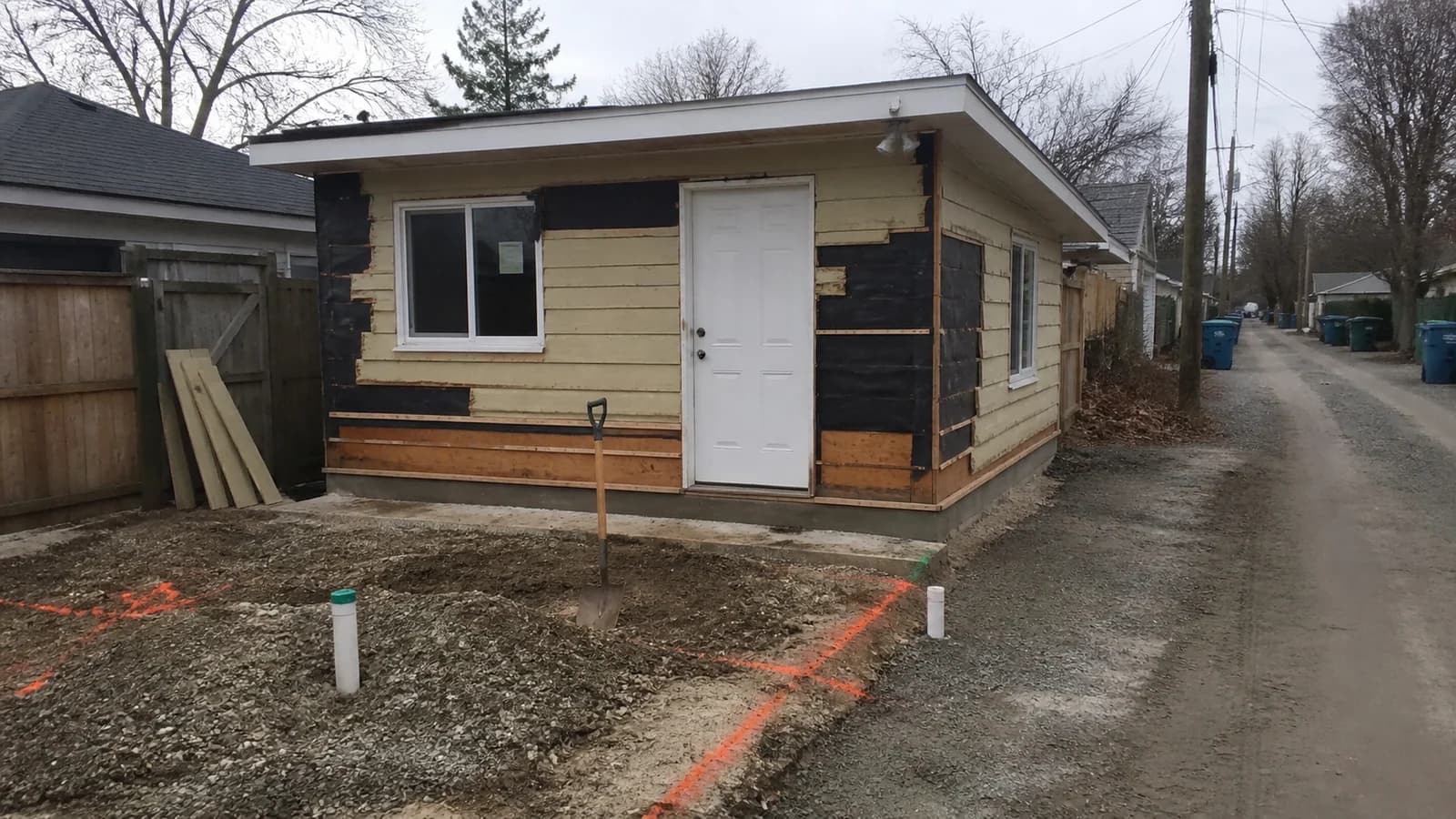
Columbus now allows accessory dwelling units by right in residential and apartment-residential districts and provides a guide to the approval process. A Greater Ohio Policy Center study found that the city’s interpretation of sewer rules may require a separate connection, but it did not calculate one universal added cost.
What the zoning change did
Columbus City Council approved Ordinance 2526-2025 on November 24, 2025. It permits accessory dwelling units, commonly called ADUs, in the city’s residential and apartment-residential districts when a proposal meets the code.
An ADU is an independent second dwelling on the same lot as a principal home or apartment building. It may be internal, attached or detached and must have its own living, sleeping, cooking, sanitation and entrance provisions.
The ordinance record says Columbus approved 110 ADU variances but issued only 57 building permits between 2019 and September 2025. Removing the case-by-case Council variance does not remove building permits, zoning review or historic-district approvals.
The city guide is a starting point
The city’s residential zoning page links its ADU materials and preliminary-review information. The guidance helps owners identify dimensional and application requirements, but it is not a construction estimate or approval for a particular lot.
Site constraints, utilities, building code, easements and historic-review rules can change a project’s feasibility. Readers should not treat a general handbook as a substitute for parcel-specific review.
What the sewer study found
The Greater Ohio Policy Center investigation compared Columbus with Austin, Ann Arbor, Portland and Boston. It found that a shared sewer configuration commonly allowed in those peer cities is not permitted in Columbus under the city’s code and its interpretation of Ohio plumbing rules.
The report says a separate lateral is likely to increase costs and that savings from another configuration could be significant. It does not provide a single dollar amount applicable to every Columbus lot, so the original story’s broad cost framing has been narrowed.
What has not changed
The reform creates legal capacity for more small homes; it does not guarantee that owners can finance or construct them. Nor does an ADU automatically produce affordable rent or positive investment returns.
The next verifiable checkpoints are permit counts after the rule change, any written utility-policy revision and actual project-cost data. Those records will show whether legalization translates into completed homes.
Have capital ready for Central Ohio real estate?
Tell us what you want your money doing and we will bring you Columbus opportunities that match. We only work in Central Ohio, and we tell you what does not fit.
Start the conversationThis is educational and is not an offer to sell or a solicitation to buy any security. We never promise returns.