Columbus Apartment Supply Is Pressuring Downtown Vacancy
Columbus continues to add apartments, but current reports show different conditions downtown and in the suburbs rather than one citywide rent direction.
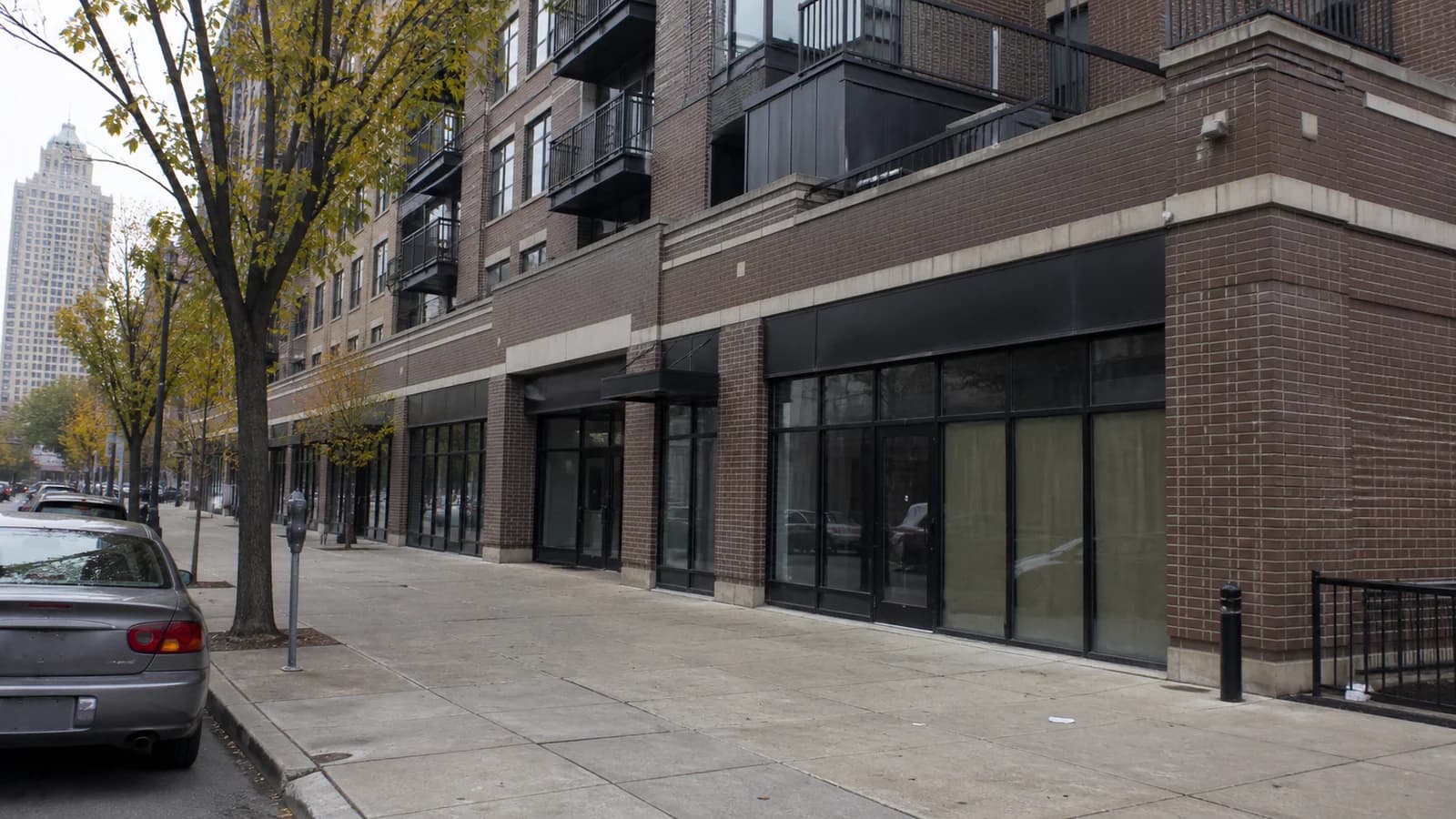
Columbus’s apartment pipeline remains large, but its effects vary by submarket. Current research shows higher vacancy downtown than in the suburbs and flat metro asking rents early in 2026, supporting a supply-pressure story rather than a claim that rents are falling everywhere.
The pipeline is still substantial
Yardi Matrix’s April 2026 report counted 13,500 apartments under construction across the Columbus market and another 35,000 units moving through planning and permitting. It reported that advertised asking rents were unchanged on a trailing three-month basis through February at $1,355.
Those measures describe different stages. Active construction is a firmer delivery signal than a planning entry, but neither count is the same as delivered and occupied housing. Project delays, financing changes and revised plans can reduce or move future deliveries.
Downtown and suburban vacancy have diverged
Marcus & Millichap’s second-quarter 2026 Columbus report said downtown vacancy ended 2025 at a record 8.1%, while suburban vacancy was 4.2%. The firm attributed the gap to sustained downtown deliveries outpacing absorption while suburban demand remained stronger.
That does not mean every downtown building is offering the same concessions or that every suburban property is full. Vacancy, rent and concessions vary by building age, unit size, location and lease-up stage. A metro average can conceal those differences.
Why the old 6,700-unit headline was incomplete
The previous article stated that 6,700 new apartments would arrive in 2025, but its live version did not provide a source, delivery list or definition of the geography. CREN therefore cannot confirm whether that figure represented scheduled deliveries, active construction or a forecast made before projects changed.
The newer reports offer a clearer, dated basis for analysis. Yardi describes the construction and planning pipeline as of early 2026, while Marcus & Millichap separates downtown and suburban vacancy at the end of 2025. The sources still use proprietary datasets, so readers should not assume their market boundaries and property coverage are identical.
What renters can learn without predicting a deal
An elevated vacancy rate may increase competition among buildings, but the reports do not establish that a particular renter will receive a lower renewal or concession. Property-specific availability and quoted lease terms are needed for that conclusion.
The more reliable market signal is the relationship among deliveries, absorption, vacancy, effective rent and concessions over several quarters. If new downtown supply continues to outpace occupied units, operators may face more pressure there even while suburban conditions remain tighter.
The next useful evidence
CREN will watch delivered-unit counts, quarterly absorption and effective rents rather than relying only on announced pipelines. Effective rent matters because it incorporates concessions more directly than advertised asking rent.
The current evidence shows a large Columbus pipeline and a meaningful downtown-suburban split. It does not support a single answer to where rents are falling without building-level and submarket data from the same period.
Looking for a place to rent?
Tell us your budget and the areas you like. We send you Columbus rentals that fit what you can actually spend. Renters pay us nothing.
Find a rental