Columbus Begins Deploying $500 Million Housing Bond
Columbus voters approved a $500 million affordable-housing bond in 2025. The city has begun funding rounds, but the authorization is not 500 million new construction.
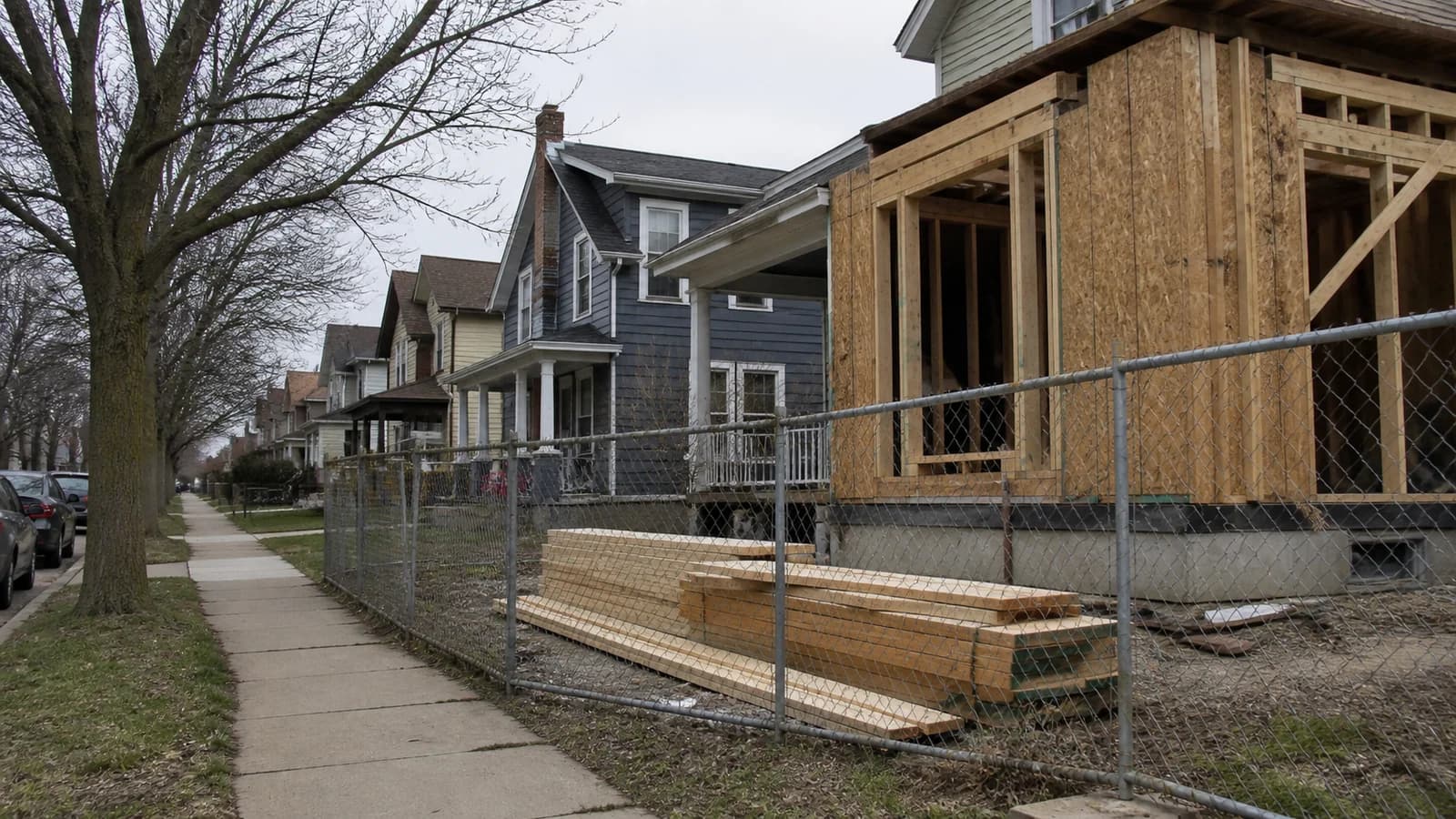
Columbus voters authorized a $500 million affordable-housing bond in November 2025, and the city began outlining and opening funding programs in 2026. The authorization covers new housing, preservation and housing stability over time; it is not evidence that $500 million has already been spent or that every dollar builds new homes.
What voters approved
The city’s housing-bond page says voters approved the $500 million authorization in November 2025. It describes the package as the city’s largest local housing investment and says prior bond programs helped create or preserve more than 7,000 housing units since 2019.
An authorization allows the city to issue debt and allocate proceeds under applicable budgets and program rules. It does not mean the full amount was borrowed or disbursed on election day.
The proposed uses are broader than construction
In the 2026 State of the City plan, Mayor Andrew Ginther proposed $150 million for new affordable homes and $125 million for housing stability, including transitional and permanent supportive housing. Other portions address preservation and homeownership.
WOSU reported on the rollout and the public discussion surrounding allocations. The mayor’s plan is a policy framework; individual projects still require applications, underwriting, contracts and public approvals.
Funding rounds create the auditable record
The city opened a 2026 rental housing production and preservation application period from June 15 through July 17. Its program guidelines capped a standard request at $5 million in total and $50,000 per unit, subject to stated discretion and evaluation.
Those awards, rather than the headline authorization, will show which projects receive money, how many income-restricted homes result and when they reach construction or completion.
What remains uncertain
Bond spending alone does not establish that Columbus rents will fall. Outcomes depend on project delivery, affordability periods, household eligibility, construction costs and the amount of other financing each award secures.
The public pages reviewed do not provide one consolidated disbursement schedule for the full authorization. Timing matters because bond proceeds, project commitments and completed housing can appear in different fiscal years.
The next checkpoints are published award lists, City Council ordinances, bond-issuance records and project completion reports. CREN will distinguish authorized, allocated, contracted and spent dollars in future coverage.
Looking for a place to rent?
Tell us your budget and the areas you like. We send you Columbus rentals that fit what you can actually spend. Renters pay us nothing.
Find a rental