Columbus Zone In Phase 2 Draft Releases — Public Comment Opens Aug. 25
Columbus Zone In Phase 2 draft released Aug. 20: nine districts across 40% of the city. Public comment opens Aug. 25 through Oct. 24 at columbus.gov/zoningupdate.
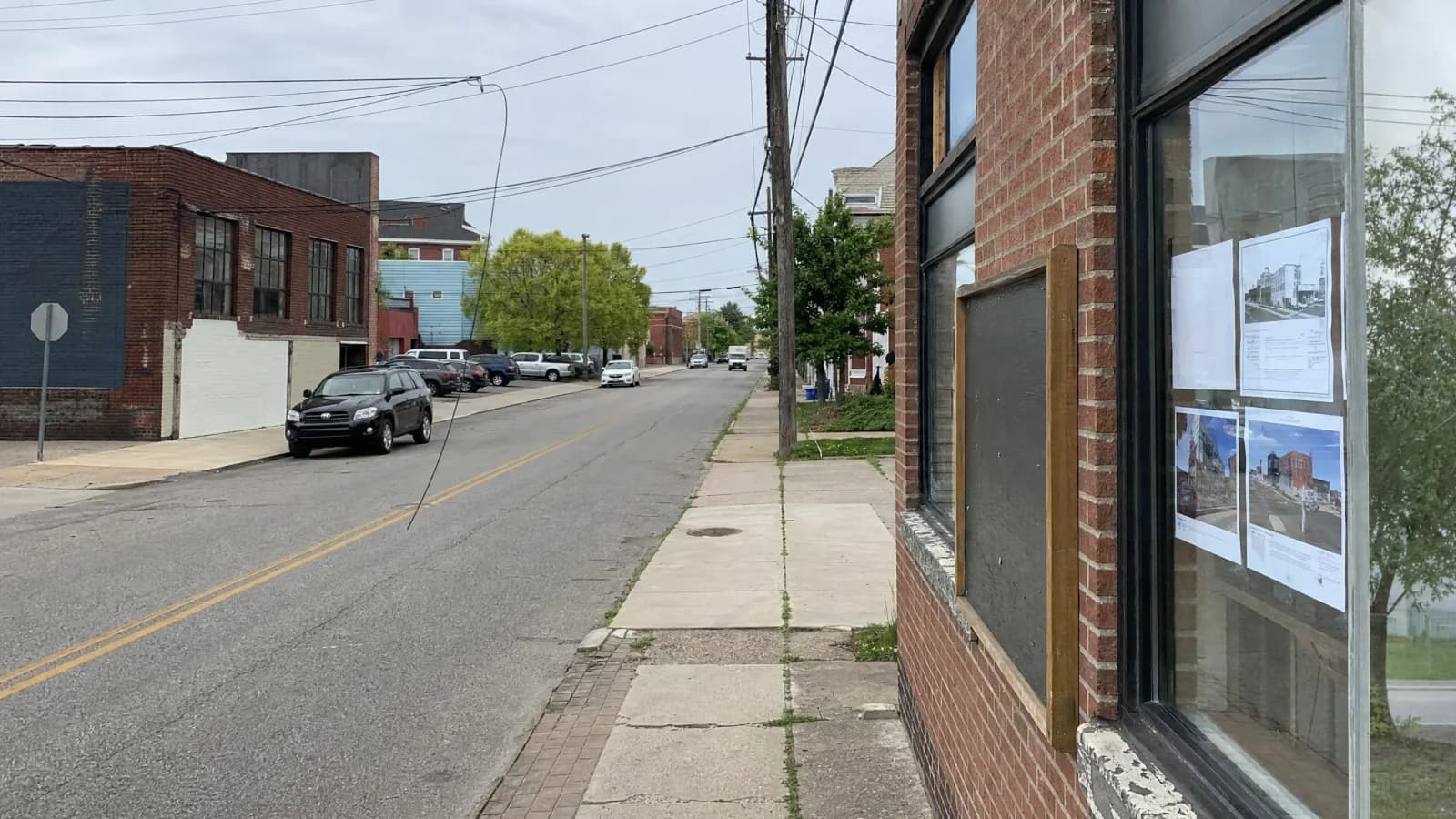
The City of Columbus released its Phase 2 Zone In zoning draft on August 20, 2026, proposing nine new districts across roughly 40 percent of the city. A 60-day public comment period opens August 25 and runs through October 24 at columbus.gov/zoningupdate.
What Phase 2 Covers — and What Phase 1 Did Not
Zone In is Columbus's effort to modernize a zoning code written more than 70 years ago. Phase 1, which City Council passed in summer 2024, focused on approximately 140 miles of high-traffic corridors — unlocking taller buildings along High Street, Broad Street, and other major arteries without the need for variance approvals.
The new draft covers three categories of land that Phase 1 left untouched: mixed-use corridors outside the Phase 1 boundary, industrial and warehouse districts, and business and institutional campuses — a category that includes hospitals, universities, and major employment centers such as Tuttle Mall and Polaris. Together, these areas represent a little over 40 percent of the city's parcels, according to the city's August 20 announcement.
For background on the broader Zone In initiative and its citywide capacity claims, see CRE News's earlier coverage: Zone In Adds Capacity, Not 88,000 Built Columbus Homes.
Which Corridors and Districts Are Now in Scope
Several corridors not reached by the first phase are specifically named in the new draft. Among them: Summit Street and Fourth Street running north from Downtown, and Whittier Street and Thurman Avenue on the South Side — areas that carry a mix of older commercial buildings, legacy industrial zoning, and residential edges where development pressure has been growing.
The Northland corridor along State Route 161 and East Dublin Granville Road was addressed earlier through a corridor-specific Council action: 160 parcels in Northland near the Worthington border were designated community activity centers in a prior Council vote. That action is part of the broader Zone In framework now entering public review.
The industrial and warehouse category is significant for Columbus real estate operators. Close-in industrial land — areas that have attracted adaptive-reuse interest from developers in other markets — currently carries legacy zoning written before modern warehouse, last-mile logistics, and light-manufacturing uses existed. The proposal creates nine new district types designed to separate incompatible uses while creating clearer pathways for mixed-use and transit-adjacent development in these areas.
What Zone In Phase 2 Means for Property Owners
Zoning determines what can be built on a parcel, at what height, and at what density. A rezoning under Zone In does not automatically approve any specific project; it changes the baseline entitlement a property carries going forward. For owners of land in the newly covered corridors and districts, the new zoning districts could reduce the cost and time required to win approval for certain building types — or change what a neighboring owner can legally build.
City planners project that the areas covered in this phase could accommodate roughly 13,000 new homes over 10 years, in addition to commercial and industrial development. That figure is a capacity estimate under the new rules, not a construction forecast — actual production depends on financing conditions, demand, and market timing.
The Columbus.gov announcement states the overall Zone In initiative — spanning all three phases — is capable of enabling up to 88,000 new housing units city-wide. That is a long-run theoretical capacity figure, not a near-term pipeline or city spending commitment.
How to Participate Before October 24
The public comment window is the formal period for property owners, businesses, neighborhood groups, and city boards and commissions to submit input on the draft. Residents can review the draft changes and submit comments through an online survey at columbus.gov/zoningupdate, or in person at the Zone In Gallery. A series of public meetings is scheduled during the comment period; specific meeting dates and locations were not listed in search results available at publication time — check the city's website for the current schedule.
Coverage from Columbus Underground confirms the same closing date for the comment window.
What Comes After the Comment Period
The new proposal is a draft, not adopted code. City Council must vote on the final proposal after the comment period closes. A vote timeline was not specified in the city's announcement.
Phase 3, the final stage of Zone In, will address the remaining roughly 50 percent of city parcels — primarily traditional single-family residential neighborhoods, where the focus will be on infill housing and housing variety. City planners have described this final stage as the most complex portion of the overhaul, because it involves changing what can be built on parcels currently zoned exclusively for detached single-family homes. No timeline for the next phase has been set pending this draft's outcome.
Have capital ready for Central Ohio real estate?
Tell us what you want your money doing and we will bring you Columbus opportunities that match. We only work in Central Ohio, and we tell you what does not fit.
Start the conversationThis is educational and is not an offer to sell or a solicitation to buy any security. We never promise returns.