Dublin Irish Festival Completed Its 39th Year at Coffman Park
The 2026 Dublin Irish Festival ran July 31 through August 2 at Coffman Park. Official pages confirm the program, but final attendance was not posted.
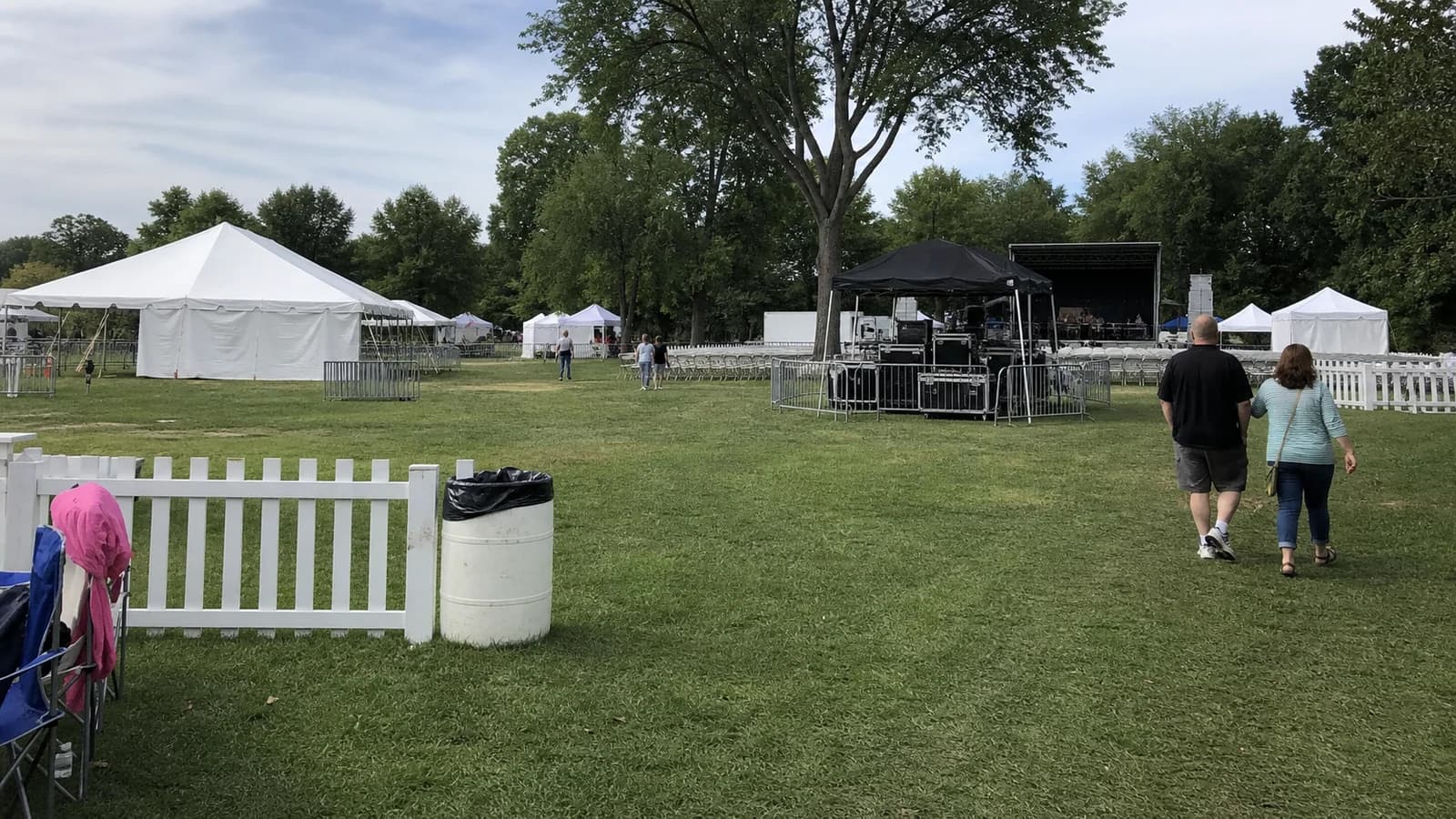
The 39th Dublin Irish Festival ran from July 31 through August 2, 2026, at Coffman Park and is now finished. Official pages document the schedule and cultural program, but CREN found no final 2026 attendance or audited economic-impact report available by August 15.
What took place
The City of Dublin’s official calendar lists the event at Coffman Park and marks it finished. Hours ran from 4 p.m. to midnight Friday, 11 a.m. to 11 p.m. Saturday and 9:30 a.m. to 8 p.m. Sunday.
The festival FAQ provided ticket, accessibility, transport and site rules. Sunday offered limited free admission before 11 a.m., according to the event information.
The program was broader than music
The organizer promoted multiple music and dance stages, pipe bands, cultural exhibits, food and athletic events. Those listings establish the intended program, although they do not document how many acts ultimately performed or how many visitors attended.
The original article repeated a largest-in-the-world description and a readers-choice ranking. Those are promotional distinctions rather than independently measured size comparisons, so they are not the basis of this rewrite.
Economic claims need a dated study
Dublin’s economic-development office cited a 2023 study estimating a $12 million regional effect. That older estimate may provide context, but it is not a measured result for the 2026 festival.
Likewise, a crowded event does not by itself establish higher home demand, hotel revenue or restaurant sales. Those claims require occupancy, spending, tax or foot-traffic data tied to the event period.
Why the status update matters
The earlier CREN page remained written as a planning guide after the dates passed. Event stories should change from future tense to a documented recap or be archived clearly, so readers do not mistake expired ticket and transport details for current instructions.
The archived ticket rules and advertised schedule can document what organizers planned, but they cannot show what occurred at the gate. A credible post-event account would separate advance promotion from scanned admissions, actual vendor participation, emergency responses and disclosed public costs. None of those final measures appeared in the records CREN reviewed.
The next useful records are the city’s final attendance count, public-safety summary and any updated economic-impact analysis. Until those appear, the defensible record is the completed schedule and official program.
Keep up with your part of Columbus
Save the areas and topics you care about. Your picks shape what we cover next, and we email you when the Columbus brief starts going out.
Save my areas and topicsFree. The brief has not launched yet, so nothing lands in your inbox until it does.