Flint Grid Battery Starts Construction Near New Albany
Eolian started the 200-megawatt Flint Grid battery project in Licking County, but its effect on data-center connections and consumer bills is not established.
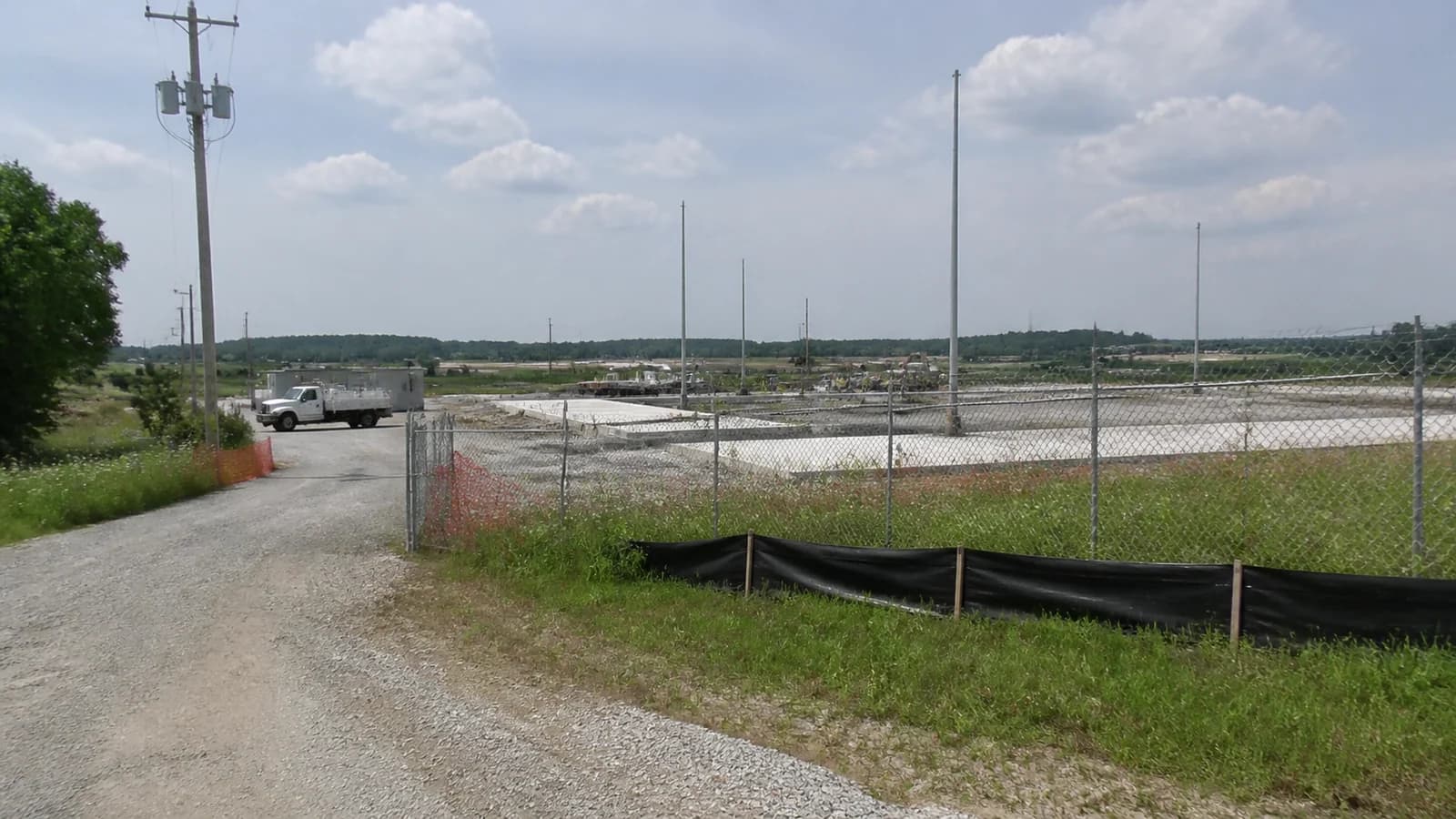
Eolian has started construction on Flint Grid, a 200-megawatt battery-energy-storage project in Jersey Township beside the New Albany business corridor. The project can shift stored electricity across time, but available records do not prove that it will accelerate specific data centers, housing projects or reduce household bills.
What is being built
The Flint Grid project page locates the system on 14.89 acres along Jug Street Road in Licking County. It describes a 200-megawatt battery with a four-hour design and remote monitoring.
Eolian’s later construction announcement described 1.06 gigawatt-hours and approximately 5.3 hours of discharge. The difference indicates an updated or differently stated configuration that should be resolved in final operating specifications.
Storage is not generation
A battery charges when electricity is available and discharges later. It can respond quickly and provide capacity or grid services, but it does not create net new electricity in the way a power plant does.
Energy Storage News reported the construction start and said commercial operation is expected before the 2027–2028 PJM capacity year. That remains a project target until the facility reaches operation.
Size claims need precise wording
Eolian calls Flint Grid the largest battery built to date in Ohio and the PJM footprint and the first grid-scale battery permitted by the Ohio Power Siting Board. Those are developer claims repeated in trade coverage; CREN did not reconstruct a complete inventory of every PJM battery.
The safer fact is that the approved and under-construction project has a 200-megawatt rating and is large relative to other publicly described regional systems.
Unsupported real-estate claims removed
The original article said more grid room could mean faster warehouse and housing approvals and steadier household bills. No interconnection study, utility tariff analysis or project-specific approval record supported those outcomes.
Battery operation may affect grid conditions, but the magnitude and beneficiaries require system modeling and market data. Nearby land does not automatically become developable because one storage project starts construction.
The next checkpoints
The Ohio Power Siting Board case record, construction milestones, final technical specifications and PJM capacity performance will show what is delivered. Consumer-price or development effects should be reported only when regulators, utilities or independent analysis quantify them.
Have capital ready for Central Ohio real estate?
Tell us what you want your money doing and we will bring you Columbus opportunities that match. We only work in Central Ohio, and we tell you what does not fit.
Start the conversationThis is educational and is not an offer to sell or a solicitation to buy any security. We never promise returns.