Mercy on Main Wins Conditional Credits for 65 Columbus Homes
OHFA conditionally reserved federal tax credits for the 65-unit Mercy on Main proposal, but the award is not final financing, construction or completed housing.
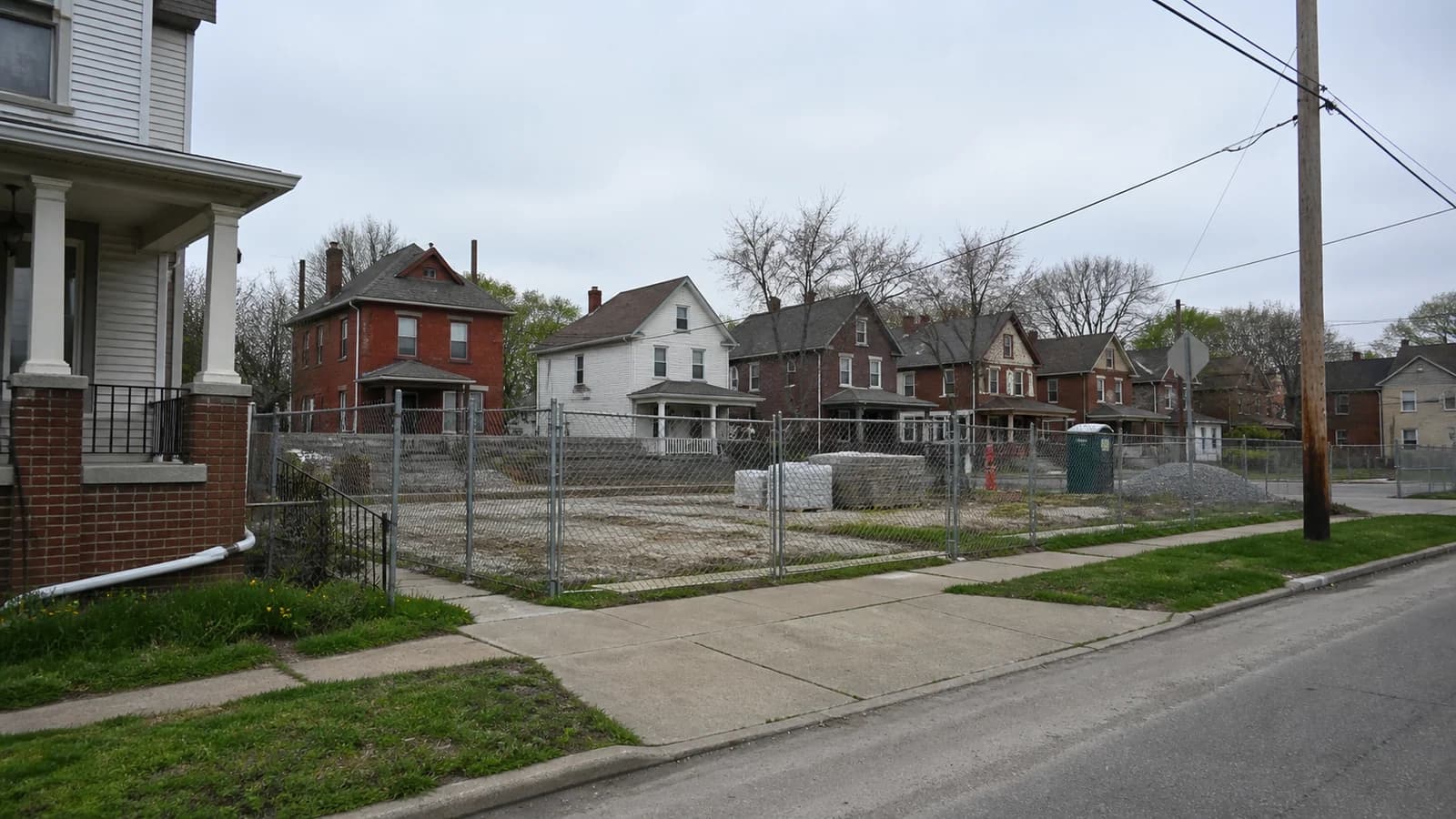
The Ohio Housing Finance Agency conditionally reserved federal Low-Income Housing Tax Credits for Mercy on Main, a proposed 65-unit apartment development in Columbus. The award advances the financing plan, but it is not a building permit, financial closing, construction start or guarantee that every proposed apartment will be delivered.
What OHFA approved
The Ohio Housing Finance Agency award notice lists Mercy on Main among projects receiving conditional commitments in May 2026. OHFA selected 25 developments statewide from 62 applications.
The federal nine-percent credit is allocated over a 10-year period and is commonly sold to investors to raise equity for qualifying rental housing. A reservation gives the project a major financing source, subject to program requirements and later milestones.
What the application proposes
The project’s OHFA application summary identifies 65 apartments and a total development budget of approximately $22.8 million. It lists studios and one-, two- and three-bedroom homes with income restrictions at several levels.
Those numbers are the applicant’s proposed program. Design, cost and financing can change before closing and construction.
The developer’s role
Kingsley and Company’s project announcement describes its Columbus expansion and Mercy on Main concept. Company background, including the founder’s former professional-football career, is not evidence of project feasibility and has been removed from the headline.
The material issue for readers is the project’s public financing, affordability commitments and delivery status, not celebrity framing.
What remains unresolved
CREN found no evidence in the reviewed records that construction had started. The conditional award does not establish final permits, land closing, syndication proceeds, permanent debt or an opening date.
The application’s income limits also do not mean every apartment will serve the same household income. Final recorded restrictions and tenant-selection materials will govern eligibility.
The stated development budget is an application estimate, not a cash grant from OHFA. Tax-credit equity depends on later compliance, investor pricing and financial closing, while other debt and subsidy sources may still be required. That distinction prevents the conditional reservation from being mistaken for a fully funded construction package.
The next checkpoints
The next verifiable steps are OHFA carryover and closing documents, city permits, a recorded construction loan and a formal groundbreaking. Future coverage should describe units as proposed until those records show that work is under construction, then wait for occupancy approval before calling them delivered.
Looking for a place to rent?
Tell us your budget and the areas you like. We send you Columbus rentals that fit what you can actually spend. Renters pay us nothing.
Find a rental