Pelotonia’s 2026 Ride Used a New Short Route; Totals Are Pending
Pelotonia added a shorter downtown loop in Columbus for its August ride, but the organizer’s pre-event estimate should not be reported as a final rider count.
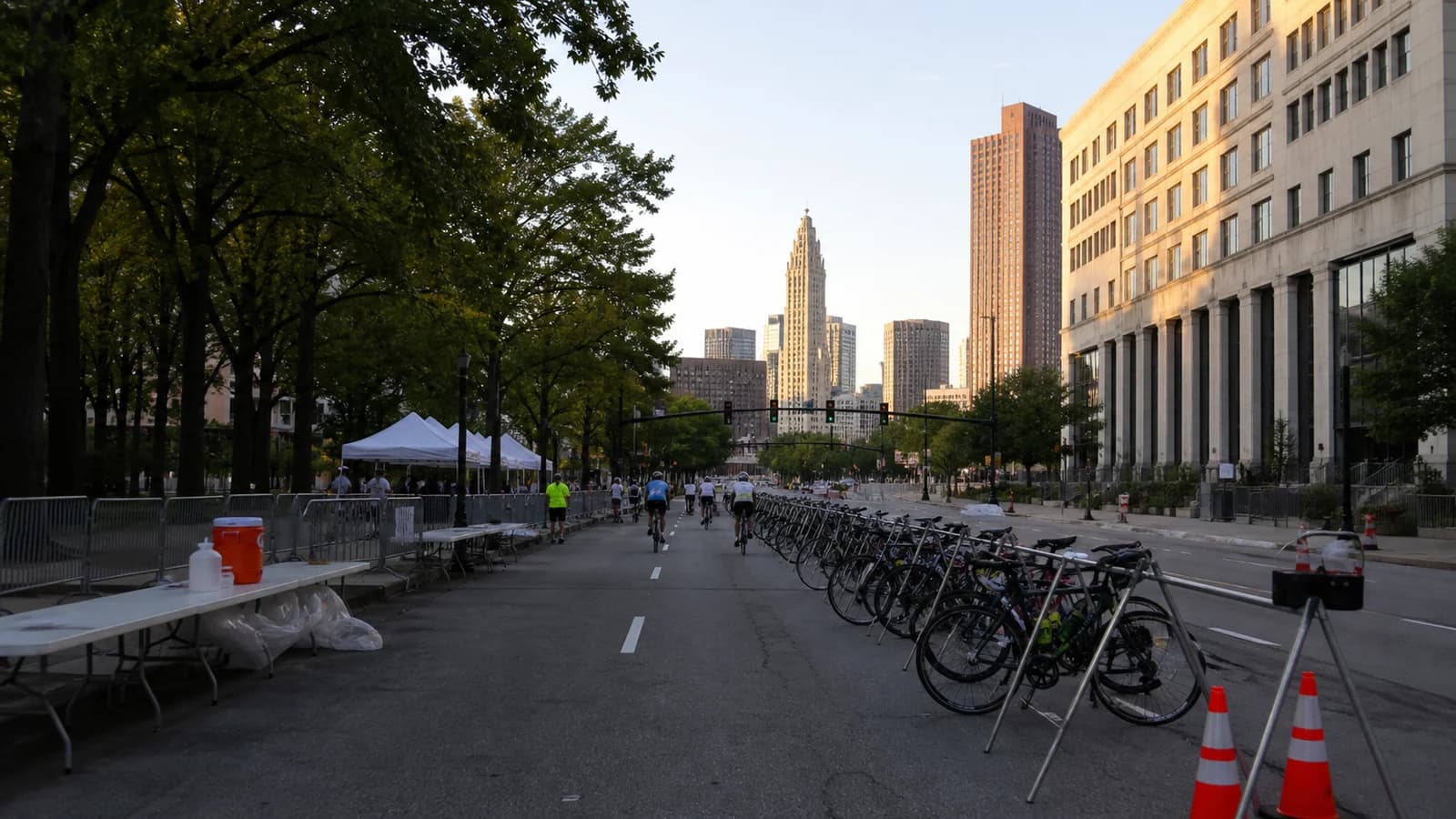
Pelotonia’s August ride introduced a shorter downtown loop through Bexley and Ohio State, widening the range of available distances. The organizer expected more than 8,000 riders, but CREN found no post-event report confirming that estimate, so it should not be presented as an actual count.
What Pelotonia announced before the ride
Pelotonia scheduled its annual Ride Weekend for August 1 and 2, following an opening ceremony on July 31. In a pre-event announcement, the nonprofit said it expected more than 8,000 riders and 3,000 volunteers. Those figures described anticipated participation, not a final attendance audit.
The distinction matters because the original CREN article changed an estimate into a statement of fact. As of this fact check, Pelotonia’s public Ride Weekend page still describes the event in advance-facing language and does not publish a verified final rider total. CREN therefore cannot independently confirm how many people started or completed a route.
A shorter route changed the entry point
The official route page listed road options from 17 to 165 miles. The new downtown loop traveled through Bexley and the Ohio State campus before returning to North Bank Park, while longer routes finished in New Albany or Gambier.
That range is the most supportable change in the event design. It created a shorter road option, but participation still carried a fundraising commitment. Calling the loop more accessible should refer to distance and riding experience, not affordability, disability access or who ultimately registered; the available records do not establish those broader effects.
Traffic effects were documented, business gains were not
Ohio State’s traffic notice warned of road closures and parking impacts while riders crossed campus on August 1. Pelotonia’s spectator guidance also identified temporary restrictions near North Bank Park and McFerson Commons.
The earlier story went further by saying businesses along the routes typically receive more foot traffic. CREN found no sales, pedestrian-count or merchant-survey evidence supporting that claim for this ride, so it has been removed. A large event can change travel patterns without proving a measurable sales benefit for nearby businesses.
What can be verified next
Pelotonia said before the ride that it had raised more than $350 million for cancer research since its founding. Ohio State’s Pelotonia program page separately reports that the prior fundraising year produced $29.2 million.
Those cumulative and prior-year figures should not be confused with the result of this year’s ride. The next reliable checkpoint is Pelotonia’s annual impact report or another post-event accounting that identifies actual participation and fundraising for the completed event. Until then, the pre-ride attendance number remains an organizer estimate.
Keep up with your part of Columbus
Save the areas and topics you care about. Your picks shape what we cover next, and we email you when the Columbus brief starts going out.
Save my areas and topicsFree. The brief has not launched yet, so nothing lands in your inbox until it does.