Upper Arlington Ballot Combines $273.5M Bond and 4.9 Mills
Upper Arlington’s Nov. 3 ballot combines a $273.5 million facilities bond with a 4.9-mill operating levy and a district-estimated tax impact.
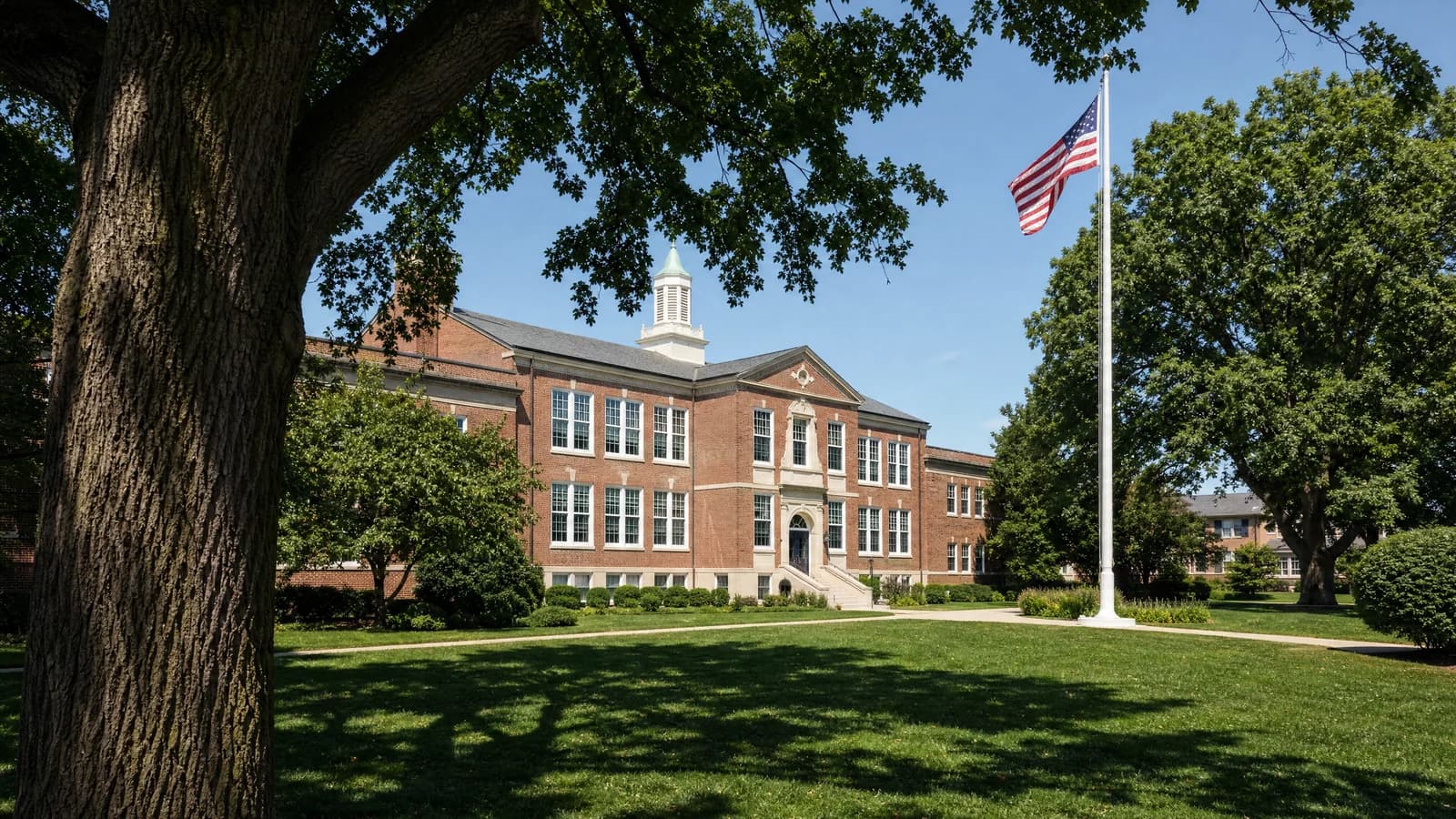
Upper Arlington voters will decide a combined school bond and operating levy on November 3, 2026. The final measure is a $273.5 million bond plus 4.9 mills for operations—not a single $285 million building plan—and its tax estimate uses county-appraised value.
The final ballot package has two parts
The district’s June 30 resolution summary says the November 3, 2026, ballot includes a $273.5 million bond and a 4.9-mill operating levy. The estimated bond increase is 2.25 mills above current collections.
The prior headline rounded the package into a $285 million building plan. That obscured the separate operating levy and did not match the final bond amount.
The tax estimate uses appraised value
Dispatch coverage reports the district estimate that the combined measure would add about $1,250 a year, or $105 a month, for property valued at $500,000 by the Franklin County Auditor. That is an example, not every owner’s bill.
Market price and county appraised value are not interchangeable. Owners should use their parcel valuation and final ballot materials rather than applying the example to a listing price.
Bond and levy dollars serve different purposes
The facilities plan identifies middle-school and early-childhood projects for the bond. The operating levy is intended for programs, services and daily operations.
CREN has removed language calling the tax a direct investment in property value. School facilities and taxes can both matter to buyers, but the cited records do not quantify a net home-price effect.
What voters should verify
The authoritative checkpoints are final ballot language, county tax calculations, project scopes, debt schedules and district financial reports. Voters should distinguish estimated construction costs from the amount borrowed and from annual operating revenue.
The article also withdraws sales-timing advice and unsupported market statistics. The defensible conclusion is about the decision itself: voters will choose whether to authorize both long-term borrowing and additional operating millage.
How to use this correction
This revision treats the facilities borrowing question separately from the operating levy and parcel-level tax effects. That approach keeps a verifiable event or measurement from carrying conclusions the underlying sources do not test. It also gives readers a clear baseline for comparing later public records and consistent datasets.
The correction does not mean the broader outcome is impossible. It means the evidence reviewed here cannot yet measure that outcome or assign it to one project, institution or market signal. CREN will revisit the question when a comparable record adds facts, rather than converting possibility into certainty or transaction advice.
Have capital ready for Central Ohio real estate?
Tell us what you want your money doing and we will bring you Columbus opportunities that match. We only work in Central Ohio, and we tell you what does not fit.
Start the conversationThis is educational and is not an offer to sell or a solicitation to buy any security. We never promise returns.