Canal Crossing Starts Construction, but 400 Jobs Remain a Forecast
Opus has started a three-building speculative industrial project near Canal Winchester, while its job total remains a developer projection, not hiring.
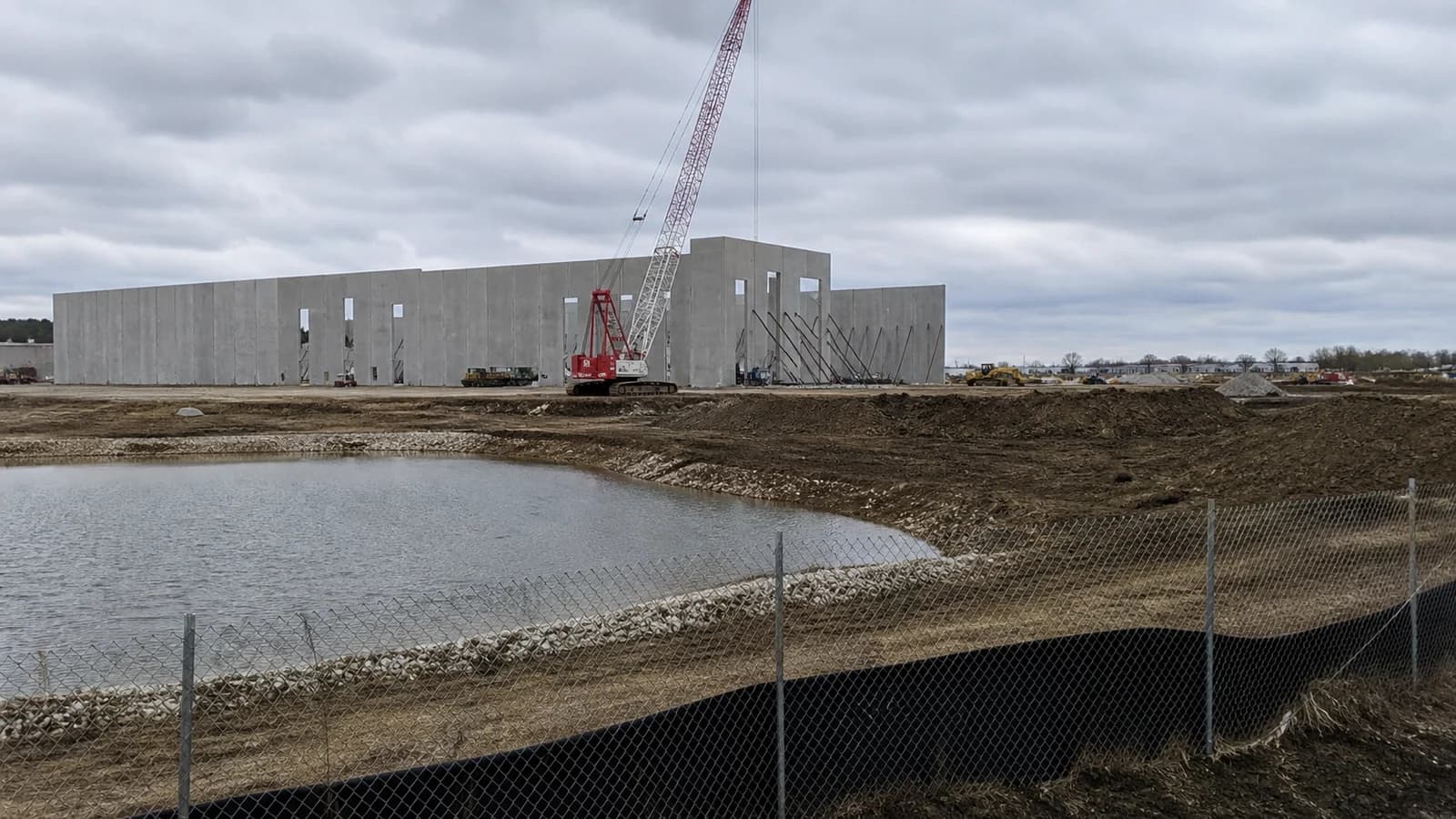
Opus says construction has started on Canal Crossing Commerce Center near Canal Winchester, a three-building project being built without committed tenants. The developer’s estimate of more than 400 eventual jobs is a forecast, not a hiring announcement, and the final employment mix will depend on leases that have not been disclosed.
Construction has started on a speculative campus
In a July 21 project announcement, Opus said it had begun building an 898,500-square-foot industrial campus on 72 acres near the US 33 and Gender Road interchange. Speculative construction means work proceeds before tenants sign leases for the space.
Columbus Business First independently reported the start of the project and identified its reported development cost as $60 million. The developer says the location is about five miles from Rickenbacker International Airport, but proximity alone does not establish tenant demand or future freight volume.
The job number needs a clear label
Opus says the completed project is expected to create more than 400 jobs. No named employers, signed leases, job classifications, wage levels or hiring dates appear in the announcement.
That makes the figure an economic-development projection rather than a count of positions currently available. A warehouse tenant, manufacturer and data-center supplier can occupy similar industrial space while producing very different employment numbers. The original article incorrectly presented the forecast as a set outcome.
Public infrastructure is part of the deal
The developer says it will invest more than $4 million in public infrastructure, including road work and land for a potential future interchange. A Canal Winchester public meeting record documents local review material for the Opus project, providing a public-record trail beyond the company announcement.
The infrastructure commitment is relevant because truck and employee traffic will affect public roads. It does not establish that every improvement is complete, nor does the development announcement quantify expected truck trips. Residents need engineering plans and traffic studies—not a marketing description—to assess intersection-level effects.
Regional demand should be measured, not assumed
The original story said developers build speculatively only when they expect strong demand and then converted that expectation into a broad claim about Central Ohio. The first part describes the developer’s risk decision; the second requires market evidence.
Colliers is marketing the buildings for lease, which confirms that the tenant mix is still unresolved. Vacancy, absorption, asking rent and competing projects should be evaluated from one consistent industrial-market dataset before calling the area unusually strong or weak.
The next verifiable checkpoints are building permits, construction milestones and signed tenant announcements. Those records will show whether the project proceeds on schedule and whether the eventual employers support the job estimate. Until then, CREN should describe the campus as under construction, speculative and unleased—not as 400 jobs already created.
Have capital ready for Central Ohio real estate?
Tell us what you want your money doing and we will bring you Columbus opportunities that match. We only work in Central Ohio, and we tell you what does not fit.
Start the conversationThis is educational and is not an offer to sell or a solicitation to buy any security. We never promise returns.