Hilltop RISE Purchase Is Funded; Renovation Outcomes Need Proof
Columbus funded Hilltop RISE’s acquisition of two West Broad Street properties, but affordability, renovation and corridor effects need later records.
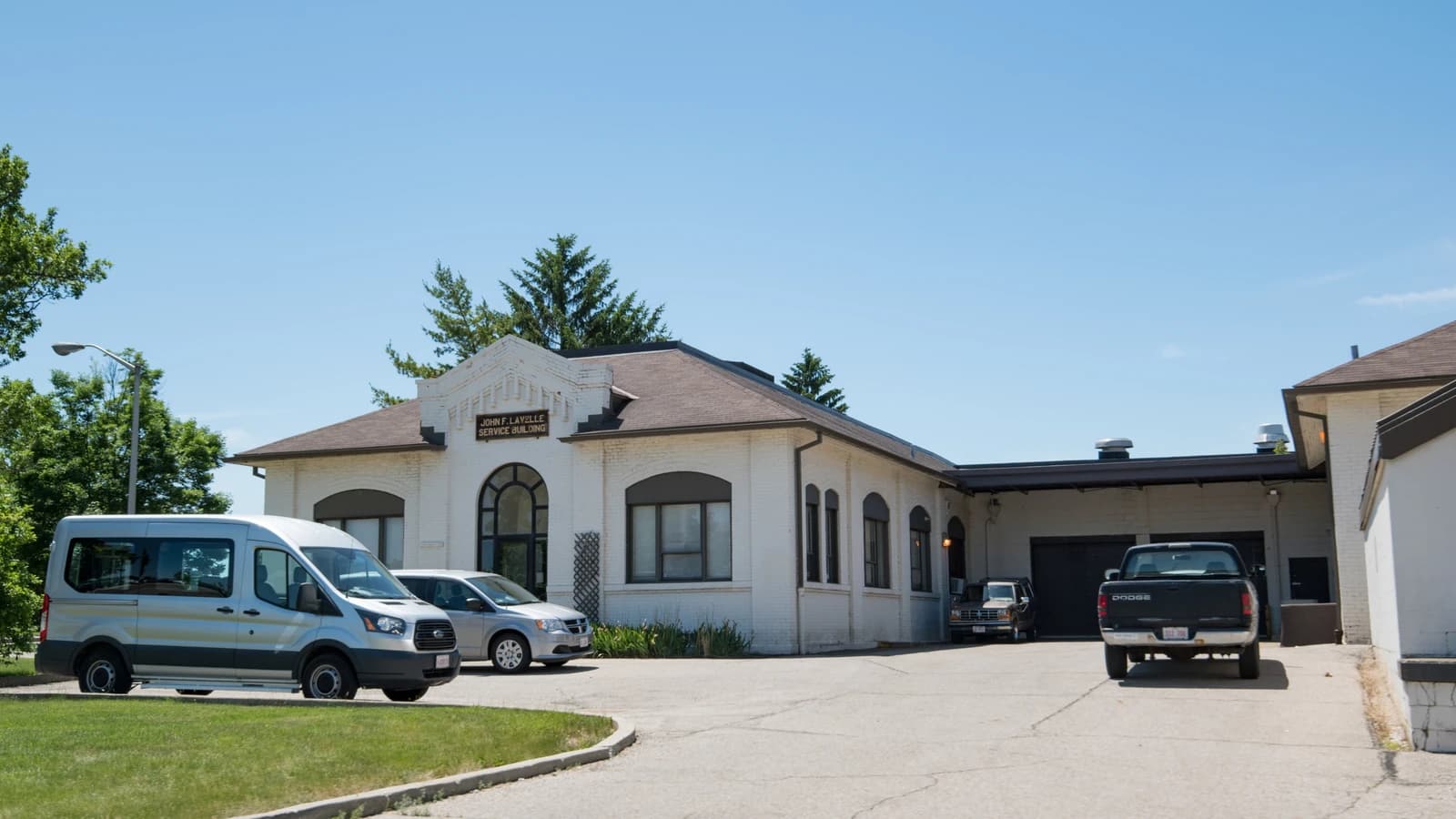
Columbus approved acquisition funding for Hilltop RISE to purchase two mixed-use West Broad Street properties near the planned bus-rapid-transit corridor. The public record confirms the grant and redevelopment purpose, but not completed renovations, permanent affordability or rising corridor values.
The ordinance funded acquisition
Columbus Ordinance 2059-2025 authorized a $1.2 million agreement for acquisition and related costs at approximately 3085–3099 West Broad Street. Council approved it on September 8, 2025.
The ordinance assigned Hilltop RISE responsibility for redeveloping, operating and maintaining the properties. It did not state that rehabilitation had been completed or certify future rents.
The renovation plan remains a reported intention
Columbus Underground reported plans for apartments and ground-floor commercial space while retaining existing residents. Those commitments should be checked against leases, construction scopes and affordability covenants after work proceeds.
Calling apartments naturally affordable describes their current unsubsidized rent position; it does not by itself guarantee long-term restrictions. CREN has narrowed the language until recorded requirements or program documents establish duration and eligibility.
Transit proximity does not prove appreciation
The properties sit along the planned LinkUS West Broad Street bus-rapid-transit corridor. The previous story said better transit tends to raise land values and presented the project as protection from future displacement.
CREN found no corridor-specific valuation or displacement analysis in the cited records. Transit, rehabilitation and affordability may interact, but the direction and size of those effects require parcel sales, rents and household data.
Evidence to collect after construction
The next checkpoints are permits, financing documents, construction completion, tenant relocation records, executed leases and the occupancy of commercial space. Those records can test whether residents remained and whether rents followed stated limits.
The supported conclusion is that public money enabled acquisition for a redevelopment purpose. Claims about rising values, new foot traffic and an investable corridor have been removed because they were predictions rather than reported results.
How to use this correction
This revision treats the city grant action separately from later rehabilitation and tenant outcomes. That approach keeps a verifiable event or measurement from carrying conclusions the underlying sources do not test. It also gives readers a clear baseline for comparing later public records and consistent datasets.
The correction does not mean the broader outcome is impossible. It means the evidence reviewed here cannot yet measure that outcome or assign it to one project, institution or market signal. CREN will revisit the question when a comparable record adds facts, rather than converting possibility into certainty or transaction advice.
Follow Hilltop
Get Hilltop housing, renter, development, and local-life alerts.
CREN uses this preference for email updates and measurement. It does not create a public profile.