Meta Prometheus Advances, but Household Bill Claims Need Evidence
Meta’s Prometheus project is tied to major power arrangements near New Albany, but CREN cannot attribute a specific household bill increase to the site.
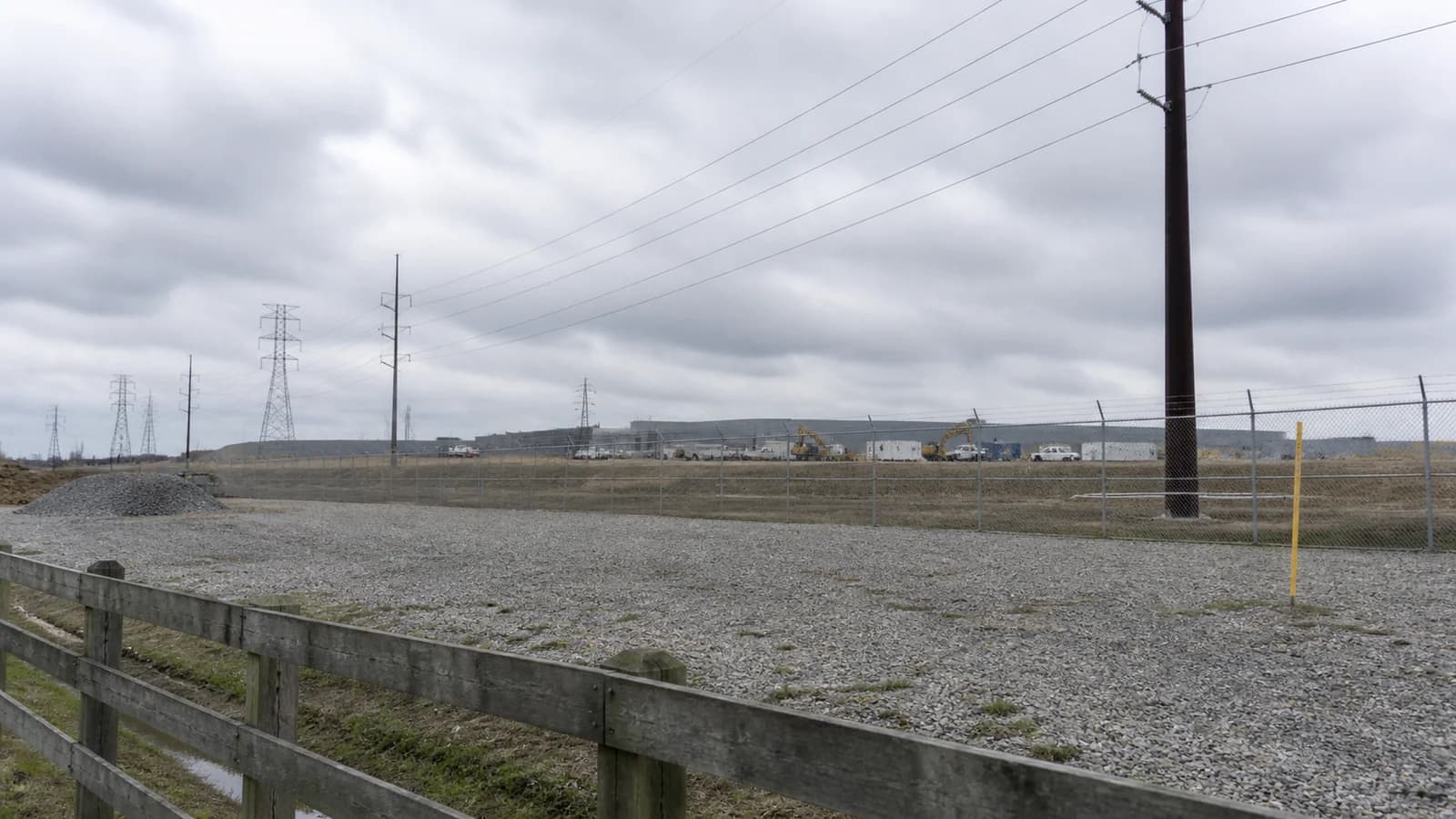
Meta’s Prometheus computing project is advancing near New Albany with unusually large electricity requirements and new power arrangements. CREN found no regulator-approved calculation tying the project to a specific increase on an individual household bill, so the earlier dollar claim is withdrawn.
The project and power agreements are real
The City of New Albany says Meta’s energy agreements support grids serving the Prometheus supercluster in the business park. The Associated Press described Prometheus as a one-gigawatt cluster expected to come online in 2026.
A gigawatt rating describes power capacity or demand, not continuous household-equivalent consumption. The original conversion to hundreds of thousands of homes lacked a stated capacity factor and time basis, so CREN removed it.
Temporary substation use has a public record
WOSU reported that AEP Ohio and Meta filed an arrangement involving a substation built for Intel. The report described a three-year service period while Intel’s project remained in development.
That arrangement helps explain how near-term service may be delivered. It does not, by itself, identify the amount allocated to residential customers or the effect on a particular bill.
The previous bill claim mixed unrelated costs
The earlier article said an average customer could pay $36 more each month across electricity, gas and water, then connected that figure to data-center demand. CREN could not trace that combined-utility estimate to a proceeding that attributes it to Prometheus.
Electric rates, riders and infrastructure charges require regulator-approved tariffs and defined customer classes. Gas and water bills come from separate systems, so combining them obscured causation.
What residents should watch
The useful checkpoints are PUCO case orders, AEP Ohio tariffs, interconnection milestones, the project’s operating status and disclosed energy contracts. Those records can show who pays for dedicated infrastructure and when service begins.
CREN also removed claims that the project supports home values or creates a strong investment story. Construction spending and land purchases do not prove a direction for residential prices, rents or household affordability.
How to use this correction
This revision treats the facility announcement separately from utility cost allocation and household bills. That approach keeps a verifiable event or measurement from carrying conclusions the underlying sources do not test. It also gives readers a clear baseline for comparing later public records and consistent datasets.
The correction does not mean the broader outcome is impossible. It means the evidence reviewed here cannot yet measure that outcome or assign it to one project, institution or market signal. CREN will revisit the question when a comparable record adds facts, rather than converting possibility into certainty or transaction advice.
Have capital ready for Central Ohio real estate?
Tell us what you want your money doing and we will bring you Columbus opportunities that match. We only work in Central Ohio, and we tell you what does not fit.
Start the conversationThis is educational and is not an offer to sell or a solicitation to buy any security. We never promise returns.