Ohio Pauses New Data Center Tax Deals, Not Existing Benefits
Ohio paused consideration of new data-center tax exemption requests while lawmakers study the industry; previously approved benefits remain in place.
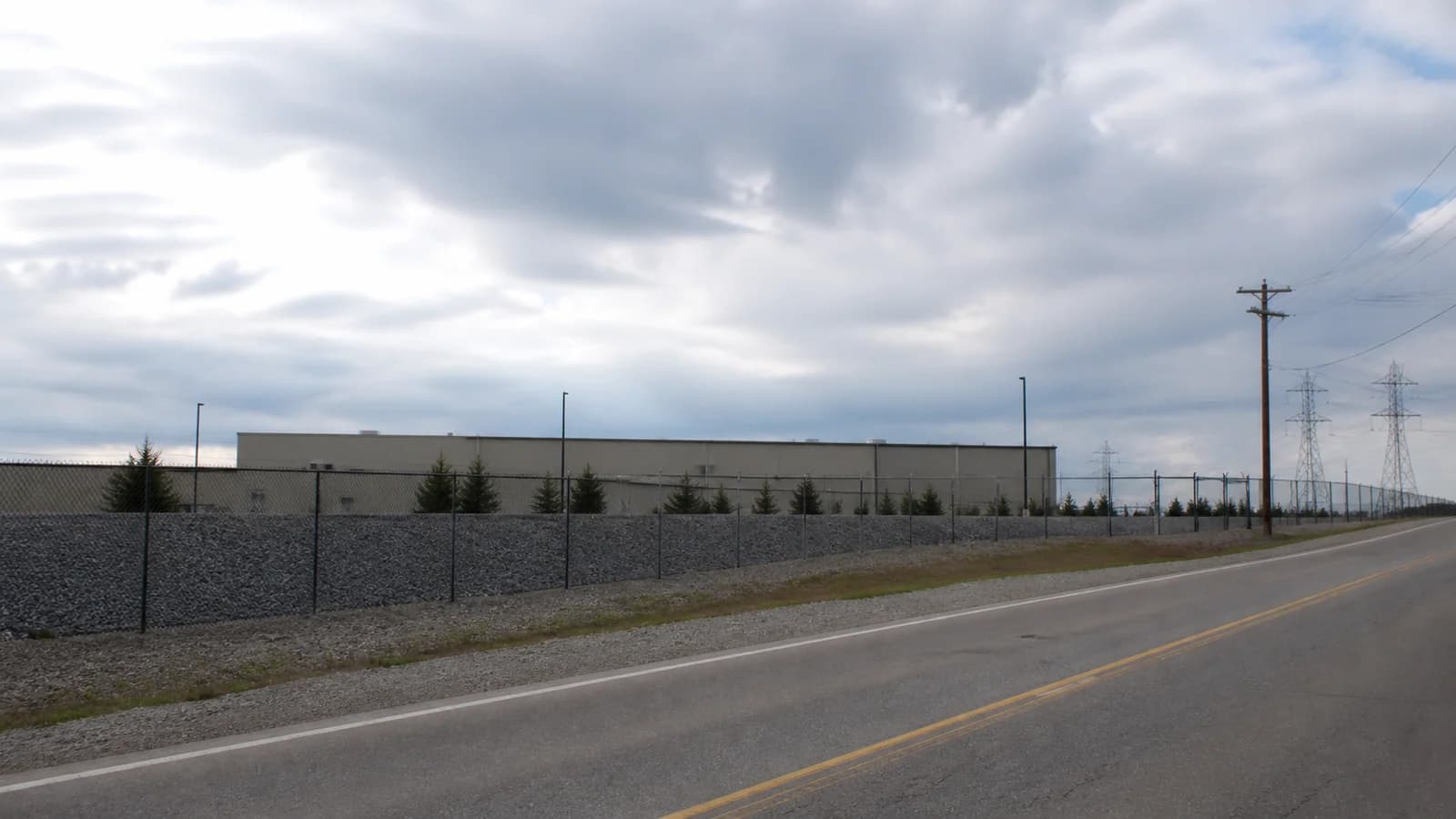
Ohio paused consideration of new data-center sales-tax exemption requests while lawmakers study the industry’s effects. The action does not revoke previously approved benefits, permanently end the program or prove that Central Ohio land values and development plans will decline.
The pause applies to new requests
The Associated Press reported that Governor Mike DeWine paused new exemption offers on May 27, 2026. Previously approved incentives were not cancelled.
Ohio’s administrative rules continue to describe the exemption program. A pause in consideration is therefore different from repeal, a statutory moratorium or retroactive removal.
The fiscal estimate needs precise language
AP reported that the state projected $136 million in fiscal-year 2025 exemptions but later reported nearly $1.6 billion. Those figures describe tax revenue not collected under the program, not a cash payment from the state to operators.
The original headline said costs exploded and the body dated the announcement June 2. This revision uses the May 27 action date and describes the measure without implying that every prior estimate used the same accounting basis.
Lawmakers are studying more than taxes
The Ohio House announcement says a joint committee was formed to examine economic, environmental, energy and security effects. That inquiry had not produced a final policy when CREN checked.
A study process can lead to legislation, recommendations or no change. The old article incorrectly described an open-ended review as a clear signal that projects and industrial land prices would cool.
Local real-estate effects remain unknown
CREN found no parcel-sales model, cancelled-project list or counterfactual analysis showing the pause changed Central Ohio land values. Existing approvals, local abatements, utility access and construction schedules differ by project.
The next checkpoints are committee findings, formal Tax Credit Authority actions, enacted legislation and project-level changes. Until those exist, the accurate story is a policy pause for new requests—not the end of Ohio’s data-center development market.
How to use this correction
This revision treats the committee pause separately from existing exemptions and later tax-policy decisions. That approach keeps a verifiable event or measurement from carrying conclusions the underlying sources do not test. It also gives readers a clear baseline for comparing later public records and consistent datasets.
The correction does not mean the broader outcome is impossible. It means the evidence reviewed here cannot yet measure that outcome or assign it to one project, institution or market signal. CREN will revisit the question when a comparable record adds facts, rather than converting possibility into certainty or transaction advice.
Have capital ready for Central Ohio real estate?
Tell us what you want your money doing and we will bring you Columbus opportunities that match. We only work in Central Ohio, and we tell you what does not fit.
Start the conversationThis is educational and is not an offer to sell or a solicitation to buy any security. We never promise returns.