State Credit Advances 380-Unit Sawyer Boulevard Proposal
Ohio approved a $10 million state housing-tax-credit allocation for 380 proposed affordable apartments at 525 Sawyer Boulevard.
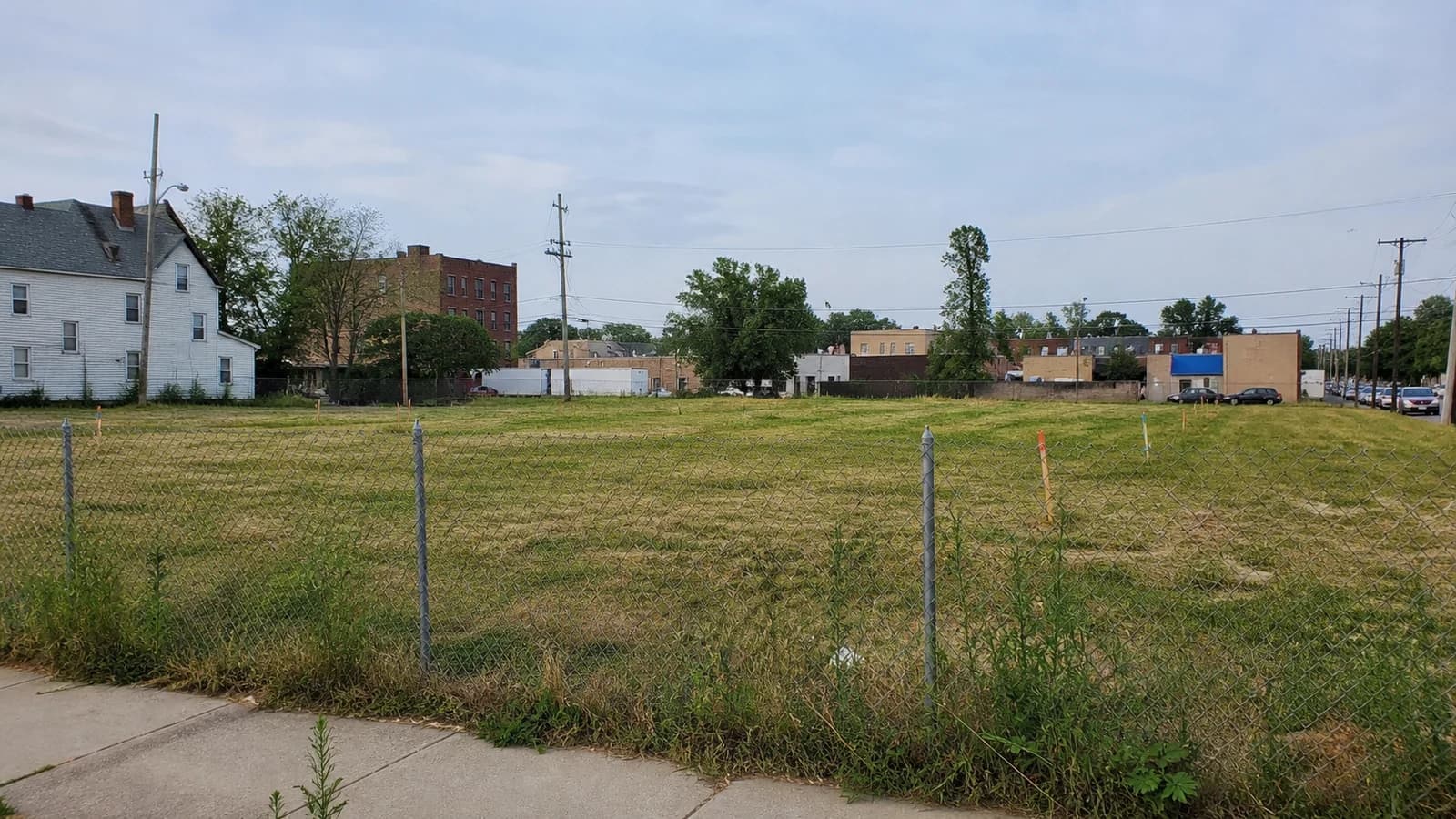
Ohio approved a $10 million state low-income housing-tax-credit allocation for a proposed 380-unit redevelopment at 525 Sawyer Boulevard in Columbus. The award is an important financing step, but the project still depends on a larger capital stack, demolition, permits and construction before apartments become available.
The application defines the project
The Ohio Housing Finance Agency proposal summary identifies Paths Development, S. Cain Development & Construction and Simco Corporate as the development team. It describes new construction on 7.1 acres with apartments ranging from studios to three-bedroom units.
The application lists total development costs of $150,798,805 and anticipates construction from late 2026 through late 2028. Those dates and costs are underwriting assumptions, not guarantees.
The award is one layer of financing
An OHFA announcement republished by NCSHA says the board approved $10 million in Ohio credits and notes a prior reservation of federal 4% credits. Developers typically exchange credits for investor equity, but the final proceeds depend on pricing, closing terms and compliance.
The proposal also shows requested bond and debt components. CREN therefore no longer describes the state vote as money fully in hand or a green light for immediate construction.
Affordability details need final documents
The application describes all 380 apartments as affordable family housing. Final rent limits, household-income bands and compliance periods should be confirmed from the executed regulatory agreement rather than inferred from the phrase affordable housing.
The earlier story told renters to keep the address on their radar. No leasing date, application process or completed units exist in the reviewed record, so that advice has been removed.
What remains verifiable
The next checkpoints are demolition completion, financing close, city permits and a documented construction start. Later, a certificate of occupancy and published tenant-selection plan would show when the project can actually house residents.
The record supports a financing milestone at a long-troubled site. It does not yet support claims about neighborhood property values, retail spending or the project’s final delivery.
How CREN checked this account
This revision distinguishes originating records from commentary and promotional descriptions. It preserves source-specific uncertainty instead of combining unlike measurements or turning a stated intention into an outcome. The linked records let readers inspect the evidence available on the fact-check date; later schedules, designs and market conditions may differ.
CREN also removed transaction advice and claims about property values, rents, demand or economic effects when the sources supplied no reproducible analysis. A future update should use the same definitions and geography, identify any changed status and explain conflicts rather than quietly replacing the earlier record.
Looking for a place to rent?
Tell us your budget and the areas you like. We send you Columbus rentals that fit what you can actually spend. Renters pay us nothing.
Find a rental